
The Crisis of Dependency
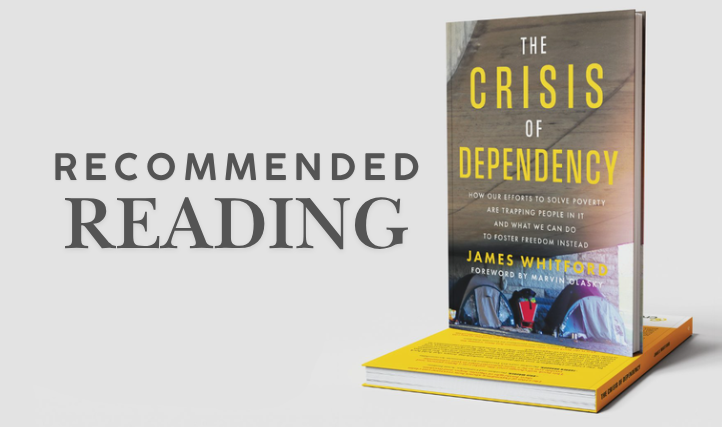
How Our Efforts to Solve Poverty Are Trapping People in It—and What We Can Do to Foster Freedom Instead
James Whitford
Why I Recommend This Book
I’ve known James Whitford for several years through our shared involvement with Citygate Network—a network of more than 500 Gospel Missions across the country. I’ve sat in breakout sessions at Citygate conferences where he challenged mission leaders to think differently about homelessness. I’ve watched him press leaders to examine not just what we do, but why we do it—and whether it is truly helping.
When James founded True Charity, we became a member and have benefited from many of the resources they provide. We’ve attended several True Charity conferences over the years and have been strengthened by the clarity and courage they bring to conversations about poverty, compassion, and dependency.
So when James published The Crisis of Dependency, I was eager to read it. I wanted to see how he would bring together years of ministry experience and hard-earned convictions into something accessible for leaders and practitioners seeking meaningful change.
I recommend The Crisis of Dependency because it names a tension many of us in ministry feel but sometimes struggle to articulate: the difference between helping people and unintentionally holding them back. It asks honest questions about how charity, systems, and even well-intended compassion can sometimes undermine dignity and responsibility rather than restore them.
For those of us serving people experiencing homelessness and poverty, this matters deeply. We want to relieve suffering—but we also long to see lives rebuilt, not simply stabilized. This book helped me think more clearly about what truly fosters freedom, and it gave language to concerns I’ve witnessed over years of ministry.
The Author’s Perspective
James Whitford writes as a practitioner, not an academic theorist. As the founder of Watered Garden Ministries—an emergency and transitional shelter—and True Charity, his thinking is shaped by years of direct, frontline engagement with men and women experiencing homelessness. He has worked closely with churches, rescue missions, nonprofits, and community leaders navigating the complex realities of poverty relief.
His framework reflects a distinctly Christian understanding of human dignity, work, responsibility, and restoration. Even when Scripture is not quoted extensively, the theological foundation is evident: people are created with purpose and capacity, and charity should strengthen those capacities rather than replace them.
Whitford writes with both compassion and urgency. There is genuine care for individuals caught in cycles of poverty. At the same time, there is a clear concern about systems and practices that unintentionally perpetuate dependency while measuring success by activity instead of transformation.
He writes to those of us in the nonprofit and faith-based world—people who sincerely want to help. His challenge is not aimed at motives, but at methods. He invites us to examine whether our approaches are truly leading toward freedom or simply maintaining patterns that feel compassionate but fall short of restoration.
What the Book Emphasizes
Several themes stood out clearly:
- Dependency is often created, not chosen. Well-meaning aid can remove the necessity—and opportunity—for growth.
- Relief and restoration are not the same. Short-term crisis care is different from long-term developmental help, and confusing the two causes harm.
- Human dignity is tied to contribution. People flourish when they are needed, responsible, and able to give—not only receive.
- Systems shape behavior. Policies, programs, and charity models often reward stagnation rather than progress.
- True compassion is costly. Walking with someone toward responsibility requires patience, boundaries, and courage.
The book consistently presses readers to think beyond intentions and measure outcomes instead.
What I Found Especially Helpful
What I found most helpful was Whitford’s clarity. He names patterns I’ve seen repeatedly in ministry but have sometimes struggled to articulate without sounding harsh or unkind. The book reinforces something I deeply believe: compassion and accountability are not opposites—they belong together. In fact, real compassion often requires accountability.
He writes from lived experience. This is not theory developed at a distance. He has walked with people through progress and setbacks, hope and disappointment. That proximity adds credibility to his conclusions. You can sense that his convictions have been tested in real relationships, not just refined in conversation.
I also appreciated his insistence that poverty is not merely a lack of resources. It is often a breakdown of relationships, purpose, responsibility, and identity. That framing resonates deeply with what we see every day at the Medford Gospel Mission. It keeps the conversation from becoming merely economic or political and instead centers it on restoration—of people, not just circumstances.
Things to Keep in Mind
This book can feel confronting, especially for those who have invested years in charitable work. When long-standing methods are questioned, it can stir defensiveness before reflection. I would encourage readers to approach it slowly and thoughtfully.
At times, some examples may feel broad, and certain ministry contexts—particularly emergency shelter or acute crisis response—require more nuance than any single framework can fully capture. Relief has a rightful place. The challenge is discerning when relief should transition into restoration.
Not every conclusion will apply evenly in every setting. But the questions Whitford raises are important ones. They invite us to examine our assumptions, evaluate our outcomes, and ensure that our compassion is actually leading toward freedom.
How This Shaped Our Ministry at the Mission
This book, along with others shaped by similar convictions, has reinforced our commitment to move beyond doing things for people and instead walk with them. It sharpened our language around expectations, participation, responsibility, and growth. We became more intentional about distinguishing between short-term crisis relief and long-term discipleship.
It also prompted us to evaluate programs that felt comfortable but were not producing lasting transformation. That process hasn’t always been easy. It has required us to lean more deeply into relationship, structure, and patience—trusting that meaningful change often develops slowly and through consistent accountability.
Some of what we are learning is still unfolding. Faithful application rarely happens all at once. But this book gave us clarity and courage to pursue a more honest and restorative approach to ministry.
Perhaps most encouraging is the reminder that we are not navigating these changes alone. What may feel new or countercultural in some settings is part of a broader movement among Gospel Missions and ministries influenced by these same convictions. That shared commitment has strengthened our resolve and reassured us that this path toward dignity and responsibility is both thoughtful and well-worn.
Who Might Benefit from This Book
This book would be especially helpful for ministry leaders, nonprofit staff, volunteers, and donors who care deeply about poverty alleviation and want their efforts to lead to lasting change. It speaks to those who may feel uneasy about the status quo or who quietly wonder whether their time, treasure, and talents are truly making a meaningful difference.
It is also valuable for those who sense that something needs to shift but aren’t sure what faithful alternatives might look like. Whitford offers both challenge and direction.
I would particularly recommend reading this book in community. Churches, boards, staff teams, or volunteer groups will benefit from discussing its ideas together, as many of its insights are best processed through shared reflection and honest conversation.
Closing Reflection
The Crisis of Dependency matters because it calls us back to a vision of help that restores dignity and invites responsibility. It reminds us that real love does more than relieve immediate discomfort—it walks patiently with people toward growth, stability, and freedom.
For those willing to examine their assumptions and practices, this book serves as a gracious but firm companion. It challenges without condemning and clarifies without shaming. Ultimately, it points us toward a kind of ministry that holds together both truth and mercy—and toward the deeper restoration that Christ alone makes possible.
Partner with us in God’s work of relational restoration.